


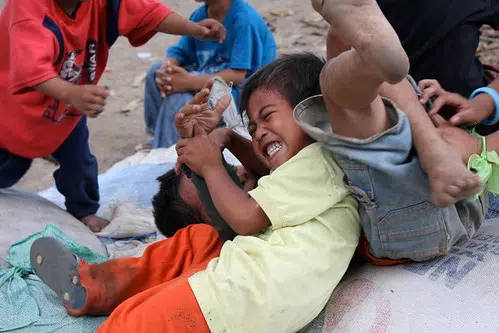
While nationally the number of children living in concentrated poverty has gone down, it is estimated that Louisiana has 27,000 more kids living in poverty from 2013 to 2017 than the previous five year period. Annie E. Casey Foundation Advocacy and Influence Associate Director Scot Spencer says the state is one of only ten states to see a rate increase.
“You’ve seen an uptick in the past couple of years from 18% of kids living in concentrated poverty to 20%,” said Spencer.
Concentrated poverty is when 30% or more of an area is living in poverty, which Spencer says increases the likelihood of a lack of access to things to potentially improve someone’s life.
“Lack of access to quality schools, lack of access to employment opportunities, lack of access to services that can help your family do well and kids succeed, and the lack of quality places for kids to be kids,” said Spencer.
Spencer says often, concentrated poverty can be an inescapable multi-generational cycle.
“They don’t make as much money in the job market, they may not achieve the same level of education, they may then have children who then who are again living in concentrated poverty,” said Spencer.
African American and American Indian children are seven times more likely to live in concentrated poverty. Latino children are nearly four times more likely to live in concentrated poverty.