


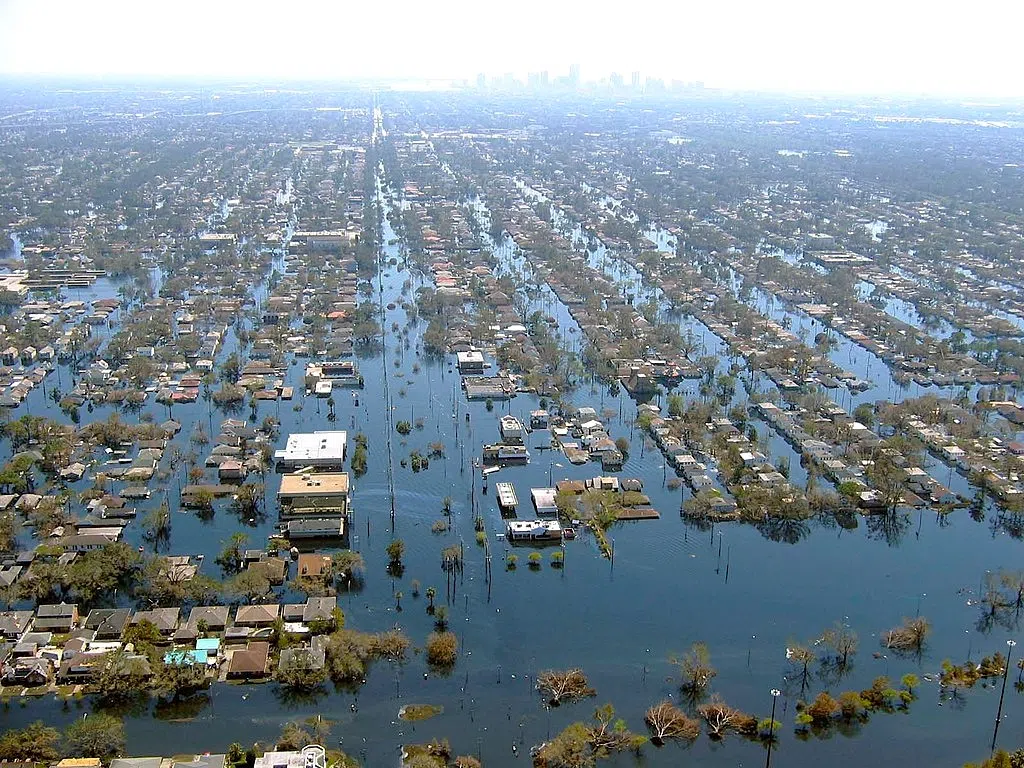
Researchers at Tulane University say it’s only a matter of time before New Orleans gets swallowed up by gulf waters. Lead researcher Dr. Törbjorg Törnqvist, a professor of earth and environmental sciences at Tulane, says due to climate change, sea level is gradually rising, and that will lead to further coastal erosion.
“At some point in the future it’s going to make this region, not just New Orleans, but basically coastal Louisiana, gradually turn into Gulf of Mexico,” Törnqvist noted.
Tornqvist says as a result, people need to start planning now to move to higher ground.
“We have to help people relocate and, in certain ways, we can also think about maybe making certain things even better than they are right now in the way we rebuild the new locations, for example,” Törnqvist said.
Tornqvist says the most sustainable areas of New Orleans are the areas that date back prior to 1900, which escaped relatively unscathed following Hurricane Katrina more than 20 years ago. Still, though, he says perhaps as early as the end of this century, the entire city could be swallowed up by gulf waters. He says one thing that can be done to delay the inevitable is to restart the Mid-Baritaria Sediment Diversion Project that was cancelled last year.
“They can buy us valuable time by rebuilding some of the wetlands that we have lost in strategically located areas, and to create more of a buffer against big storm surges,” Törnqvist explained.
Governor Jeff Landry and Coastal Protection and Restoration Authority Director Gordon Dove canceled the Mid-Baritaria Sediment Diversion project over cost and concerns it would not produce the coastal restoration benefits that some scientists have projected.
The authors of the study, which was published in the journal Nature Sustainability, says erosion can potentially shift the coast as much as 60 miles inland, which would also put cities like Baton Rouge, Lafayette and Lake Charles in danger.





Comments